
Disaster & Infrastructure
Nepal Flood 2026: Glacier Collapse Kills Hundreds as Nepal Faces Rs 50,000 Crore Rebuilding Bill
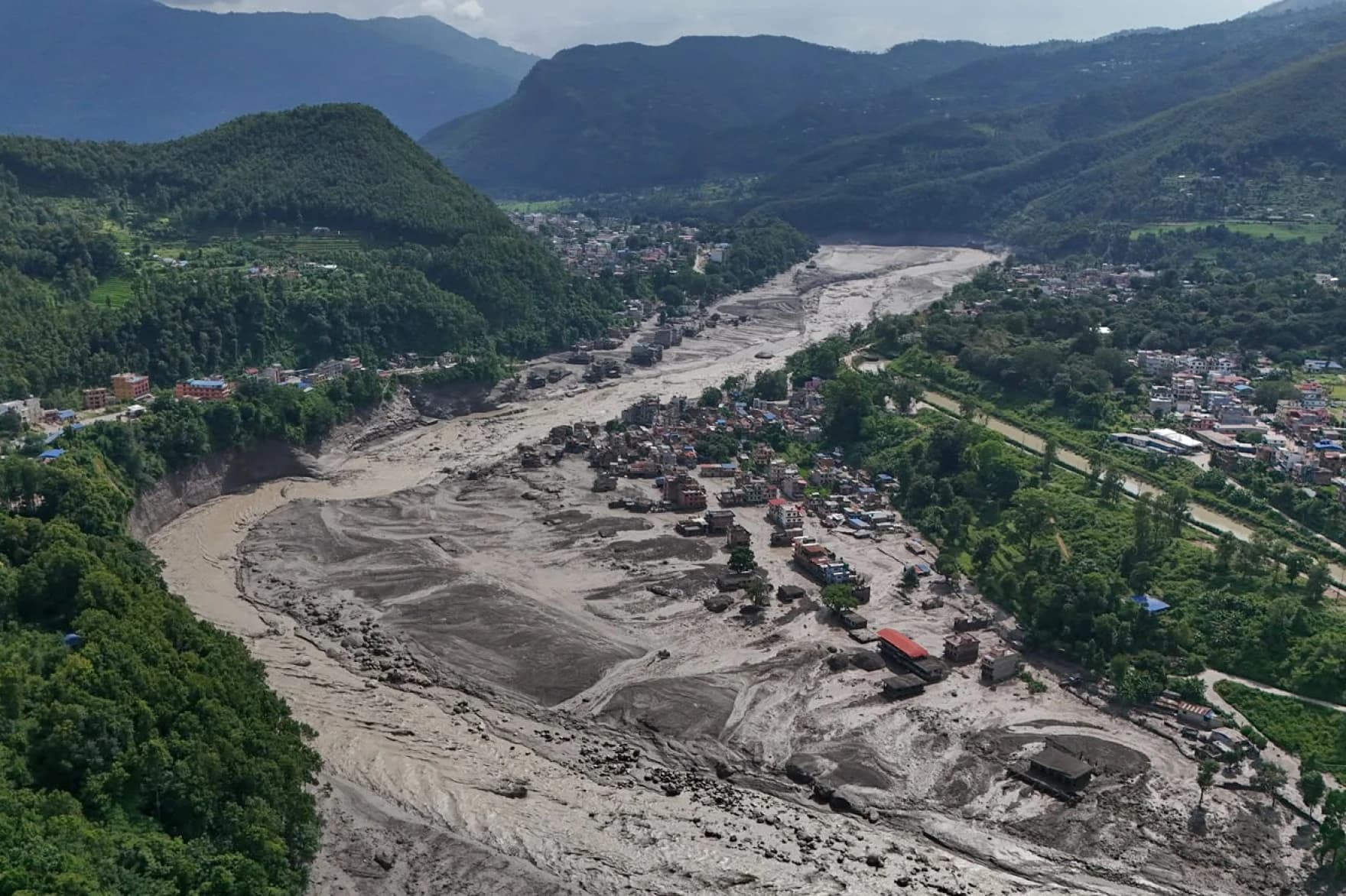
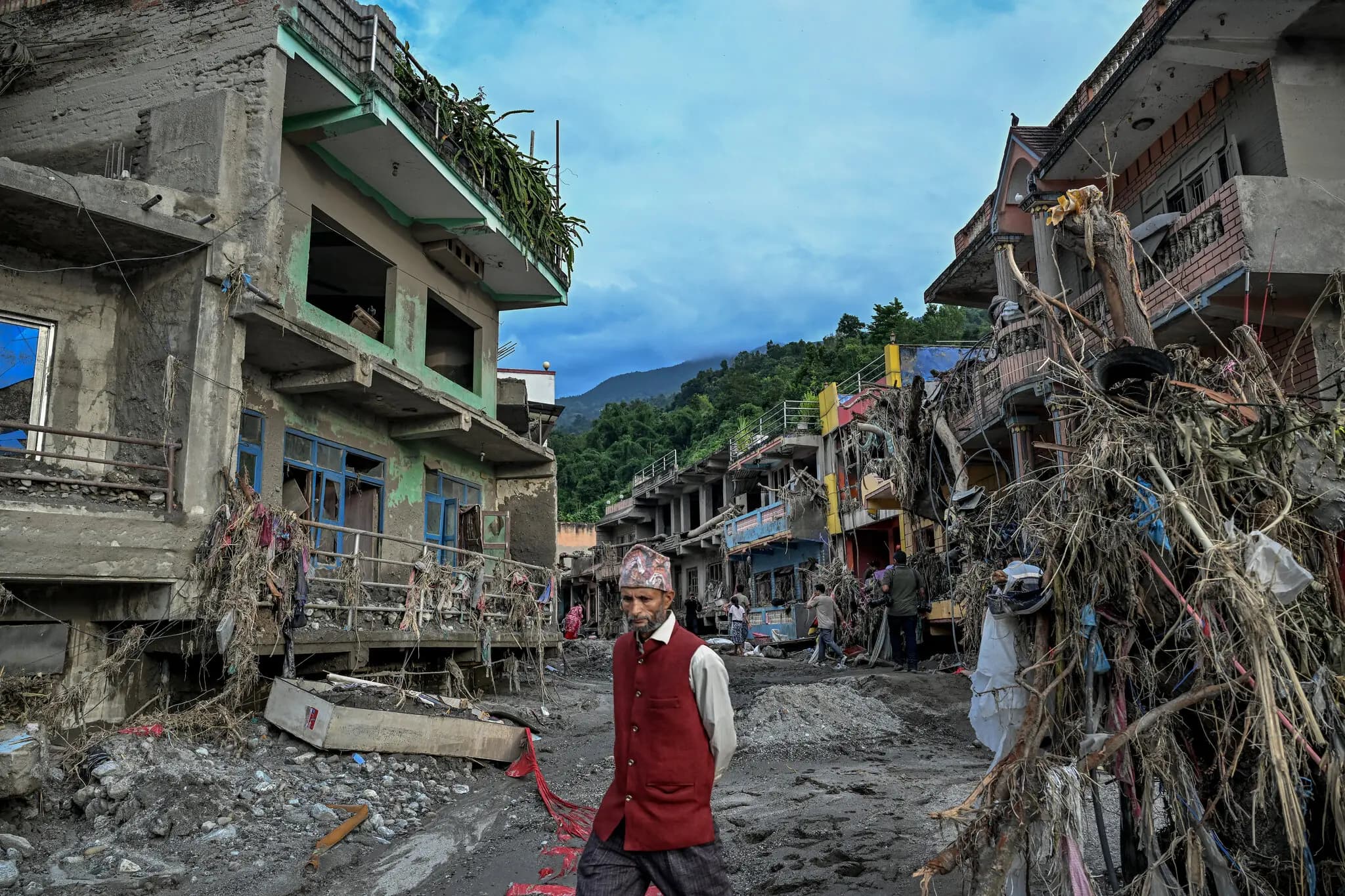
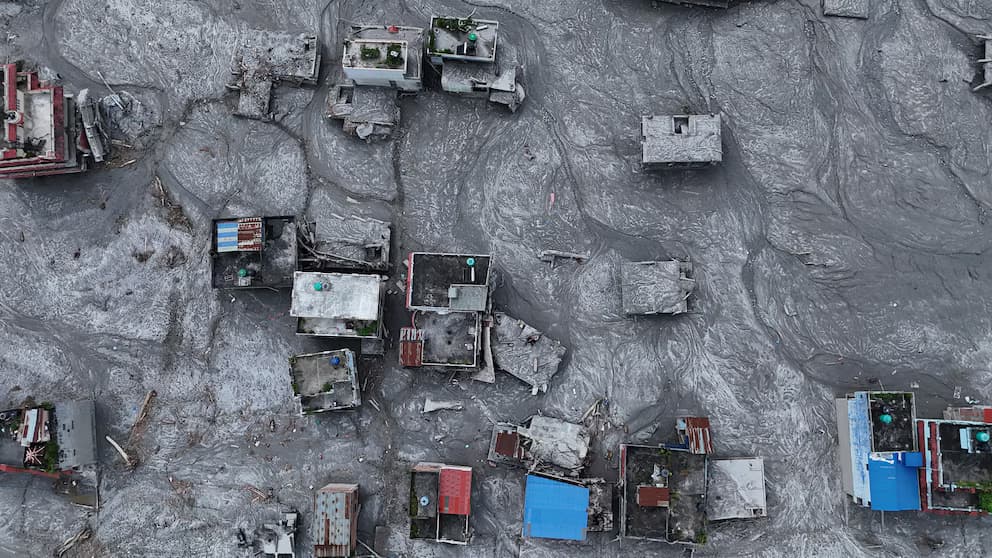
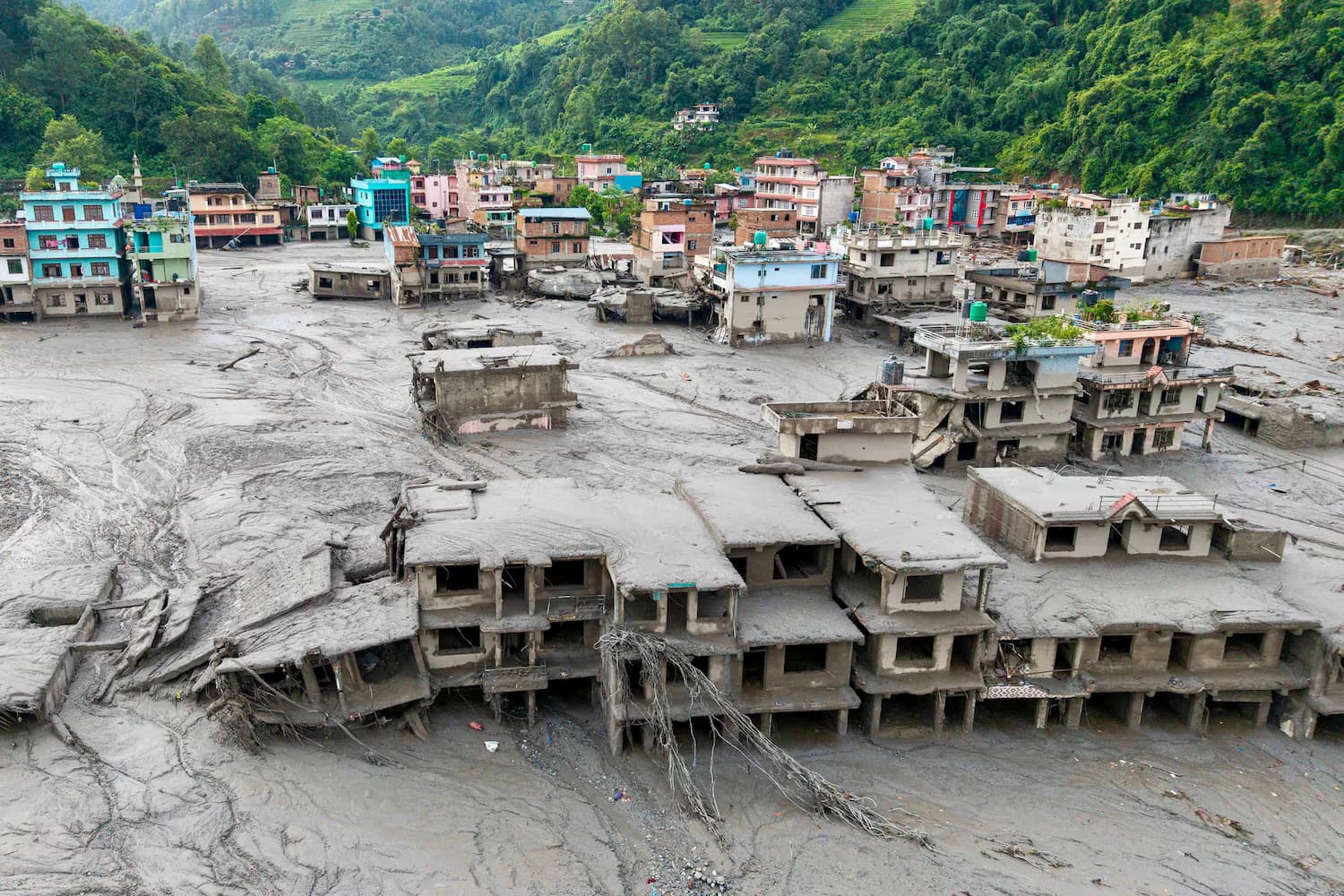
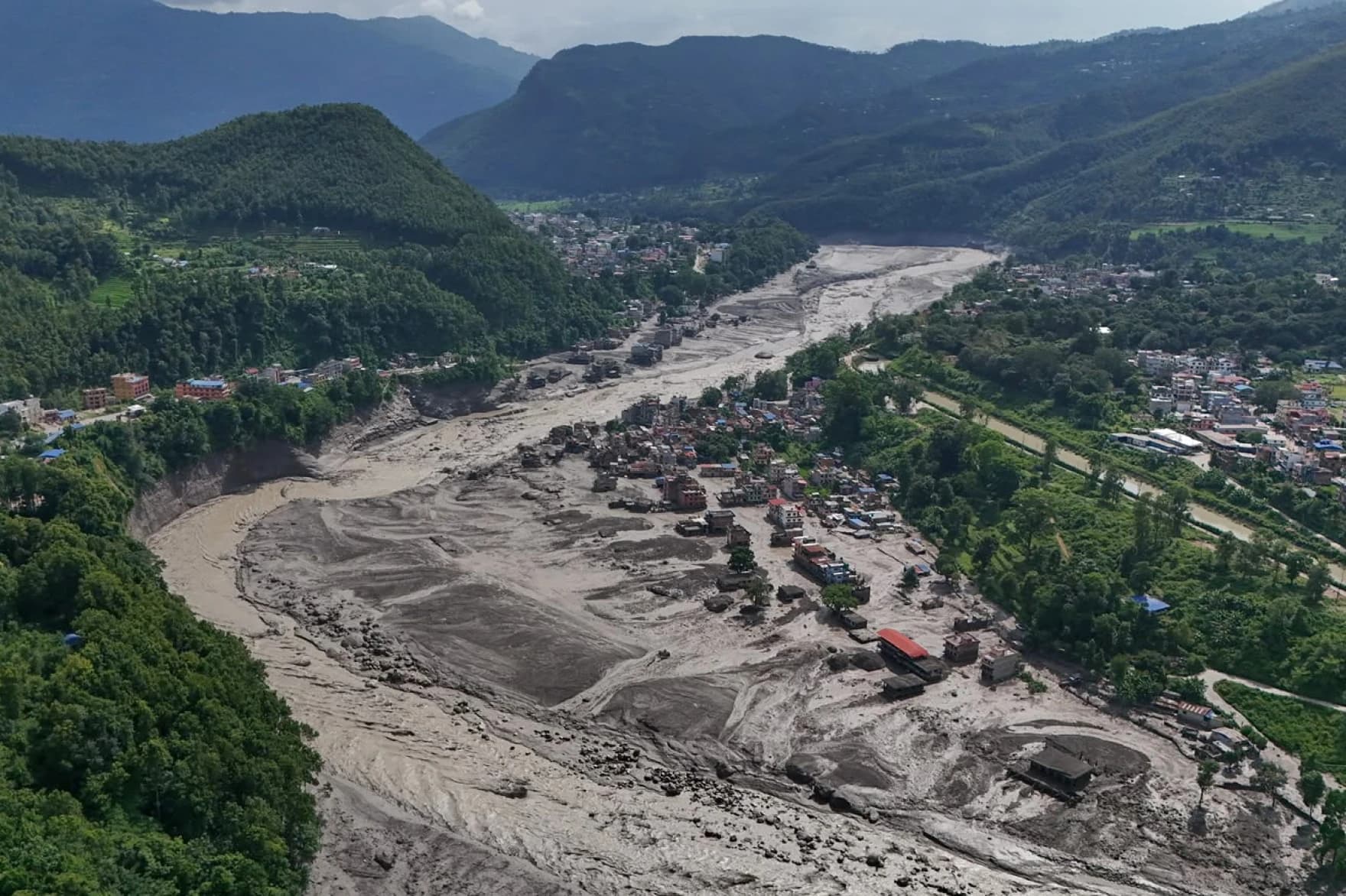
Nepal is reeling from one of the deadliest natural disasters in its recent history after a massive glacier collapse on August 26, 2026, triggered devastating flash floods across its northern border region with China. The disaster has claimed the lives of hundreds of people, left thousands more missing, and left the Himalayan nation staring at a reconstruction bill that could reach Rs 50,000 crore — roughly $4 to $5 billion.
The disaster struck without warning on the morning of August 26, when a glacier collapse high in the Himalayas sent a massive torrent of rock, ice, mud, and debris crashing down through the Bhote Koshi and Trishuli river valleys. Eyewitnesses and officials reported that water levels in some areas rose by as much as nine metres within just 30 minutes of the initial collapse, giving residents in low-lying villages almost no time to evacuate.
The flash floods tore through towns and settlements along the Nepal-China border, sweeping away homes, vehicles, livestock, roads, bridges, and hydropower infrastructure. Foreign tourists and pilgrims travelling through the region were reported among the missing, adding to the scale of the search-and-rescue effort now under way in extremely difficult mountain terrain.
More than 600 people are confirmed dead across Nepal and the neighbouring Tibet Autonomous Region of China, with over 2,000 individuals still unaccounted for as of the latest official updates. Authorities have cautioned that the death toll is likely to rise further as rescue teams reach remote, cut-off villages where communication lines remain down. Neighbouring countries have already stepped in to assist: India has dispatched multiple consignments of Humanitarian Assistance and Disaster Relief (HADR) material, including medicines and food supplies, while the United States has pledged $500,000 in emergency assistance.
Nepal's Finance Minister, Swarnim Wagle, told reporters that preliminary estimates put the rebuilding cost at between $4 billion and $5 billion — translating to roughly Rs 50,000 crore and above once converted into local currency terms. Wagle described the figures as an early, working estimate, with a full assessment of losses and damages still under way. Notably, he pointed out that this bill is expected to remain lower than the $9 billion Nepal spent rebuilding after the catastrophic 2015 earthquake, even though the current disaster comes at a time when Nepal's economy is smaller and more strained than before.
Nepali billionaire and Chaudhary Group chairman Binod Chaudhary told Bloomberg TV that he "wouldn't be surprised" if the final reconstruction cost climbed to $5 billion or more — a figure representing close to 11% of Nepal's entire economy, valued at approximately $45.5 billion last year. Chaudhary pointed to Nepal's 2015 earthquake recovery, which took roughly seven to eight years to complete despite involving comparatively less complex terrain, as a benchmark for how long this rebuild could take.
The destruction this time is concentrated in some of Nepal's most inaccessible mountain valleys: roads and bridges have been completely destroyed, cutting off entire communities from relief and supplies; hydropower stations have sustained major damage, threatening more than 12% of Nepal's national electricity generation capacity; and a key China-linked logistics corridor at the Gyirong border crossing, tied to the Belt and Road Initiative, has also been severed, complicating cross-border rebuilding efforts.
Nepal's economy is heavily dependent on remittances, tourism, and hydropower — all three sectors directly affected by this disaster. Damage to power infrastructure raises the risk of electricity shortages and lost export revenue, while destroyed roads and bridges threaten to cut off access to some of the country's most scenic — and now devastated — tourist regions. Early indications suggest Nepal may need to increase its reliance on power imports, including from India, to offset the hydropower capacity knocked offline by the floods, at least in the short to medium term.
Once search-and-rescue operations wind down, attention is expected to shift toward a detailed, ground-level damage assessment, followed by a formal national reconstruction plan similar in structure to the framework Nepal adopted after the 2015 earthquake. Multilateral institutions such as the World Bank and the Asian Development Bank are likely to serve as key funding channels, alongside bilateral support from neighbouring countries including India and China. As with the region's other rebuilds, replacing washed-out bridges, hydropower structures, and steel infrastructure at this scale will also renew focus on corrosion-resistant, weather-durable protective coatings for assets exposed to the kind of extreme moisture and debris loading seen in this disaster.
Courtesy: Reuters, Bloomberg TV, and Nepali government officials. This article has been shared for informational purposes; all rights to the original content belong to the source publication.